The numbers are grim. In the last ten years, only 0.8 percent of British films released in theaters were directed by someone of East or Southeast Asian (ESEA) heritage. That is nine movies out of 1,077. When you look at who is on screen, the data is equally bleak: ESEA actors held a main role in only 17 theatrical releases during that same decade.
Thai sees these statistics as a clear signal of institutional bias. “The 0.8% figure is 100% systemic gatekeeping. When imagination is filtered through the same cultural assumptions again and again, exclusion becomes embedded, not accidental,” she says.
Great Migrations is focused on horror, sci-fi, thrillers, and high-concept drama. This isn’t a random choice. Often, filmmakers from marginalised backgrounds are expected to make quiet, trauma-heavy indies. Thai wants to open the door to movies that can actually compete at the box office.
“Genre allows ESEA filmmakers to be expansive, playful, political, and commercial all at once. It’s a refusal of the idea that marginalised voices are small and quiet, or must only tell stories of pain to be taken seriously. I’ll add, I’m happy to look at stories that come from a place of trauma, but I’ll be looking closely how they deliver a community beyond that too,” Thai explains.
Bridging the Career Gap
The program aims to solve a specific problem: the “leap” from making short films or working in theater to creating a debut feature. This is often where careers stall because of a lack of access to the right networks and funding.
“I don’t see a tension between an authentic voice and the market. I believe the industry needs to level up in their understanding of what makes good business. Some of the most successful global films are deeply culturally specific. Authenticity is often the very thing that makes a story resonate. I’m thinking of Get Out, Parasite, Everything Everywhere All At Once, The Farewell and many more,” Thai says.

By focusing on “market-facing” projects, the lab tries to ensure that inclusion is more than a PR stunt. “Market-facing doesn’t mean compromising voice, it means ensuring these stories can grow, be supported, and be seen. Without that focus, inclusion risks becoming symbolic rather than structural. Because sustainability matters,” Thai adds.
A New Model for Support
The lab is designed to be accessible. It includes a paid honorarium of up to £2,420, travel support, and a five-day residential workshop.
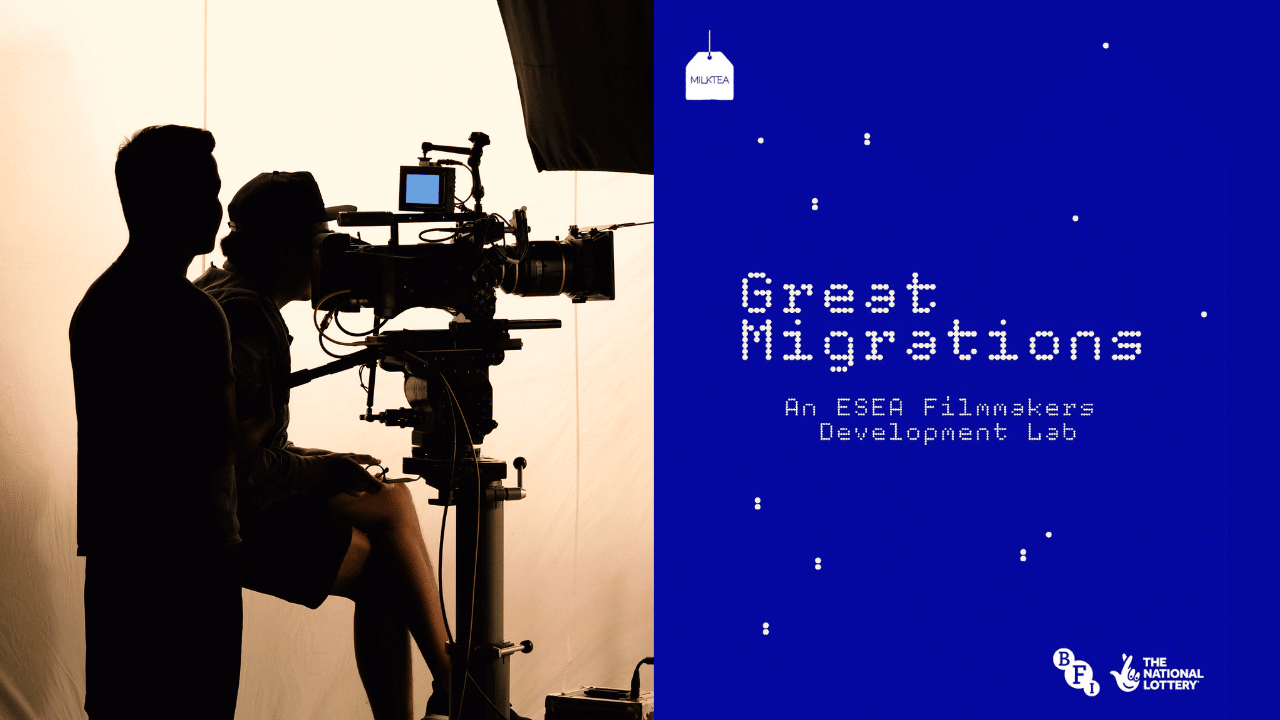
“Great Migrations exists to develop bold genre feature films from East and Southeast Asian (ESEA) community in the UK, stories that are designed to move into the marketplace, not stall at development,” Thai says.
How to Apply
If you are an ESEA writer, director, or producer based in the UK and ready to develop a feature film, you can apply now.
-
What you get: A paid honorarium, travel and access support, a 5-day residential, and a market day to meet industry professionals.
-
Deadline: January 16, 2026, at 17:00.
-
Information Webinar: Sign up on Eventbrite to learn more.
-
Apply here: Use the official application form or visit www.milkteafilms.com/greatmigrations.
View this post on Instagram