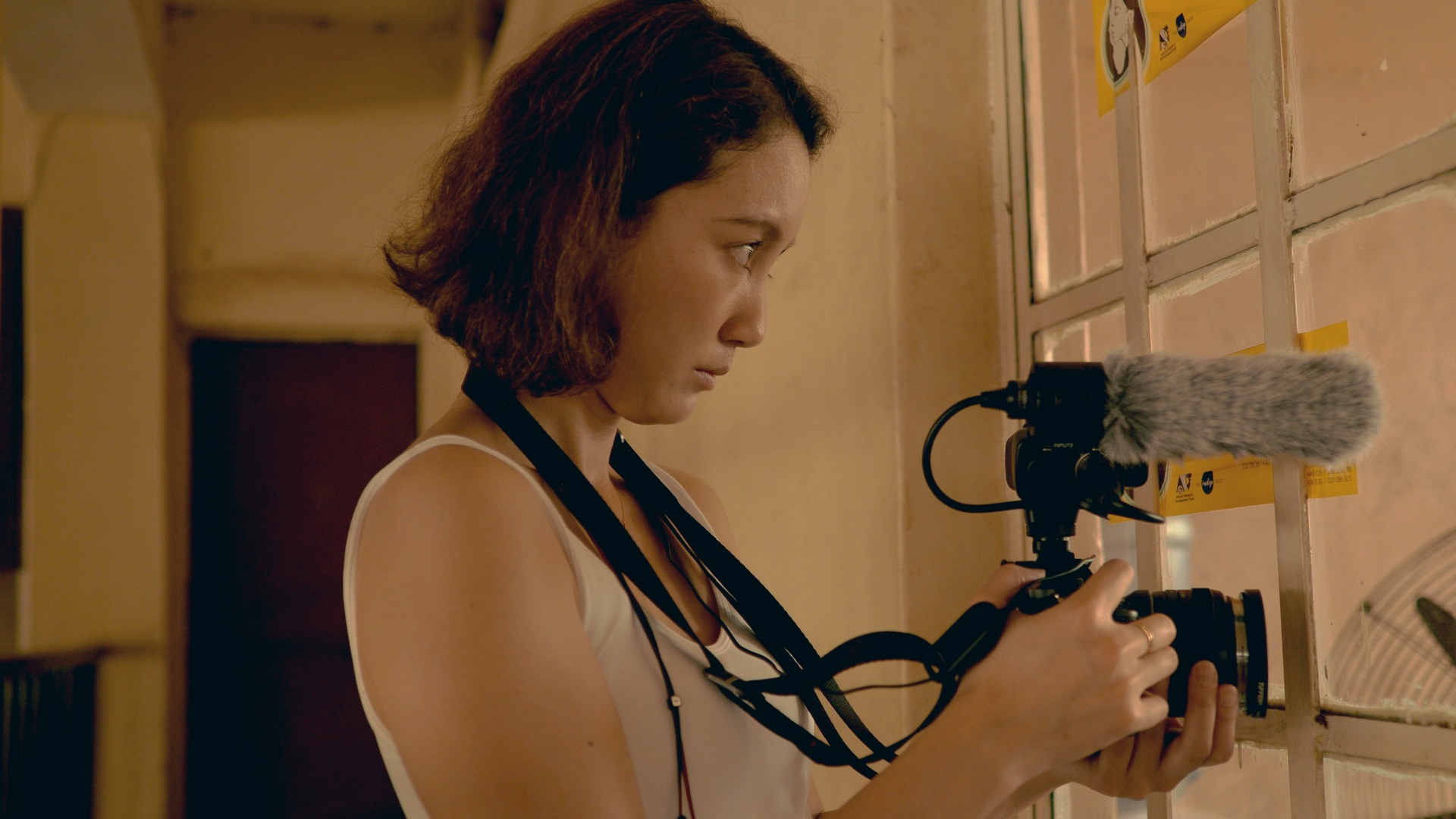
Journalists packed Tokyo’s Foreign Correspondents’ Club on Monday to hear Shiori Ito speak following the long-delayed domestic release of Black Box Diaries, her 2024 documentary chronicling her experience as a survivor of sexual assault.
While the film has screened internationally and earned a Best Documentary Feature Oscar nomination—making Ito the first Japanese feature-length filmmaker nominated in the category—its release in Japan had been on hold.
“(Friday’s) screening was the most reactive screening we have ever had. We have screened ‘Black Box Diaries’ in over 60 countries, but following the first domestic screening, I have never received so many letters and messages before,” Ito told reporters.
Ito first went public with her experience in her 2017 memoir, Black Box, becoming a central figure in Japan’s #MeToo movement.
Read more: Shiori Ito’s ‘Black Box Diaries’ Nominated for Oscar: First Japanese Documentary to Receive This Honor
After prosecutors dropped the criminal case against former TBS reporter and Washington Bureau Chief Noriyuki Yamaguchi—whom Ito accuses of raping her in 2015—she pursued a civil case and won damages in 2019.
The Japan release delay centered on footage and audio that were recorded secretly or intended only for courtroom use, along with objections from Ito’s former legal team over permissions and professional ethics.
Ito’s former lawyer Yoko Nishihiro revealed in a statement that “unfortunately, these legal issues have not been resolved,” and that the film “poses serious human rights issues.”
Following a statement released Friday, Ito detailed changes made for the domestic version, including edits to protect identities in one scene, further voice modification for a police investigator dubbed as A and a taxi driver, and the full removal of one phone call with Nishihiro.
Ito also addressed the film’s use of security camera footage from a hotel, saying the domestic cut blurs third parties’ faces and the hotel building because the hotel did not give permission for use outside court cases.
Read more: ‘Black Box Diaries’: Shiori Ito’s Unflinching Look at Sexual Assault in Japan
“Video evidence can be a shield that protects people, but when removed from its context, it can also become a blade that harms them,” Ito said, adding: “To raise awareness of the realities of sexual violence, I determined that the footage was indispensable and made the decision to use it. The responsibility for that decision is mine and mine alone.”
Ito said she wants to continue university talks and reach young people in Japan—especially in rural areas where these discussions are less common.