Lucy Liu says returning to Mandarin on screen in the new film Rosemead allowed her to reconnect with her Chinese cultural roots and explore themes rarely addressed openly in Asian American communities, including mental health and family stigma.
The actor, who grew up in Queens as the child of Chinese immigrants, spoke Mandarin at home and did not learn English until she was five. She has previously said much of her childhood feels distant, shaped by a sense of not belonging.
“I think it’s probably because it was a lot of trauma of not feeling like you belonged, or wanting to seem like everything was perfectly normal and not looking like everybody else,” Liu says.
As a child, Liu recalls seeing few Asian faces on American television, citing shows like I Dream of Jeannie and The Brady Bunch. A rare moment of recognition came when she saw an Asian actor in a Calgon laundry detergent advertisement.
“There’s somebody in that set that looks like me,” she remembers thinking.
That moment helped Liu imagine a future in acting. She would later gain mainstream recognition through the television series Ally McBeal and films including Kill Bill: Volume 1, Kill Bill: Volume 2 and Charlie’s Angels.
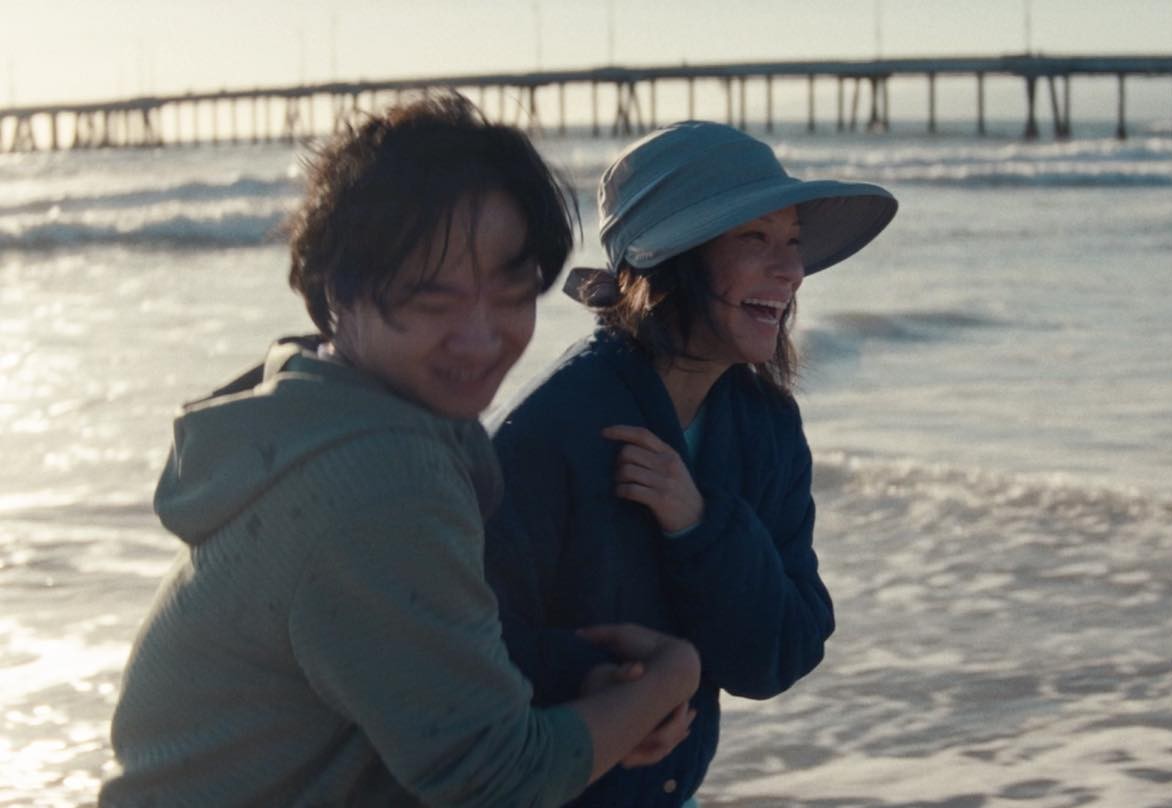
In Rosemead, Liu stars as Irene, a terminally ill Chinese-American immigrant mother confronting her teenage son’s worsening mental health crisis. The film, based on a true story, also stars Lawrence Shou as her son and is directed by Eric Lin.
Liu says the project appealed to her because it offered a chance to depict Asian American family life with emotional honesty. “Humanize this woman and her son and to really talk about what happened behind closed doors,” she says.
A key element of the film is language. Irene speaks Mandarin to her son — a choice that allowed Liu to return to her first language on screen.
“I felt such a great depth of tenderness,” she says. “It just reminded me so much of the community and just the beautiful poetry of Mandarin, and how some words just cannot be expressed in English.”
The film also addresses cultural resistance to mental health care within Asian communities. Liu says stigma and fear of judgment often prevent families from seeking help.
“I know for myself, there’s a lot of cultural stigma and there’s a lot of fear about being seen in a true light, thinking that it would be judged or I guess you’ll be shunned from the community,” she says. “And I think that there’s something about exposing that in a positive way that might help spark conversation for not just the AANHPI community, but for so many other cultures.”
In one scene, Irene’s openness to therapy is criticised by a friend, who tells her, “you sound like a foreigner.”
Liu has also spoken about growing up as a translator for her parents — a common experience among children of immigrants — and how it reshaped family dynamics.
“As a child when you are the one to advocate for your parents and to translate for your parents … even though you don’t have the experience to understand exactly what you’re translating, it really changes the dynamic of yourself and your parents,” she says.
Despite her later success, Liu says her early career was marked by limited opportunities and frequent rejection.
“I think rejection was on my resume — it should have been like, ‘Rejection, takes it pretty well.’”
She later chose to study Asian languages and cultures in college, revisiting an identity she once resisted as a child attending weekend Chinese school.
“And so I think when I got to college, I was like, I can choose this now. And it was a choice. And that’s a very different feeling to make that decision for yourself.”