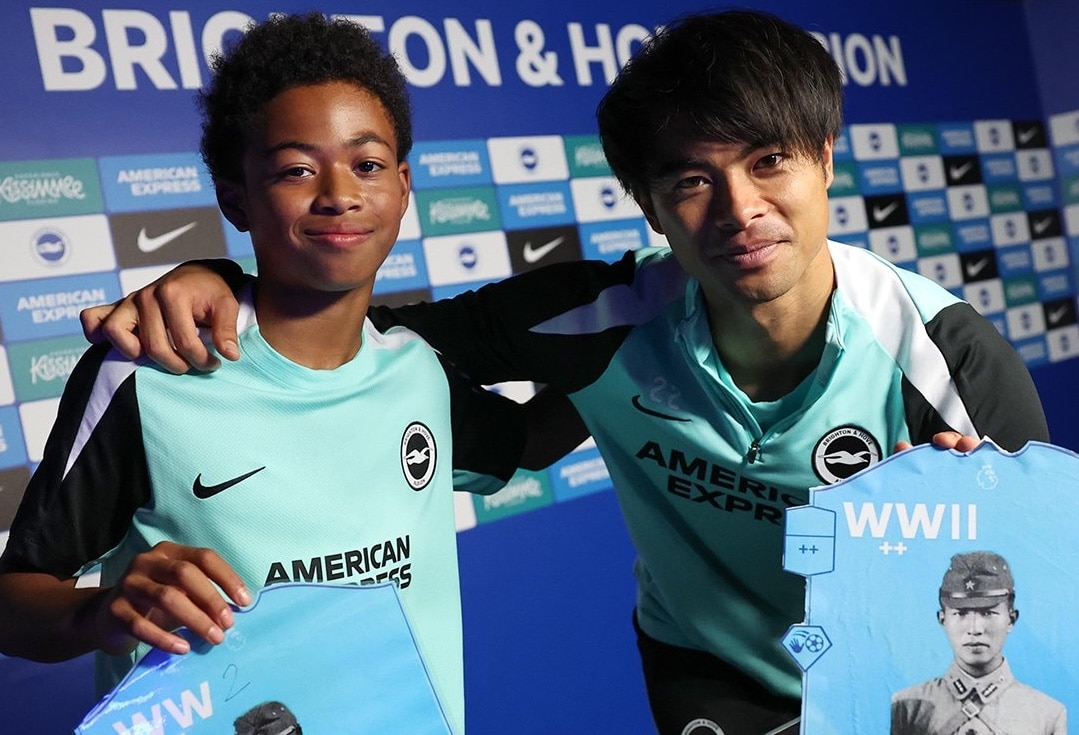
Brighton & Hove Albion has issued an apology to fans in China after a social media post from the club’s academy ignited backlash for featuring an image of Japanese World War II soldier Hiroo Onoda.
The post, which showed Japan international Kaoru Mitoma and a youth player posing with football cards depicting Onoda, triggered immediate anger on Chinese platforms, particularly Weibo, where users criticised the club for insensitivity toward Japan’s wartime history in the region.
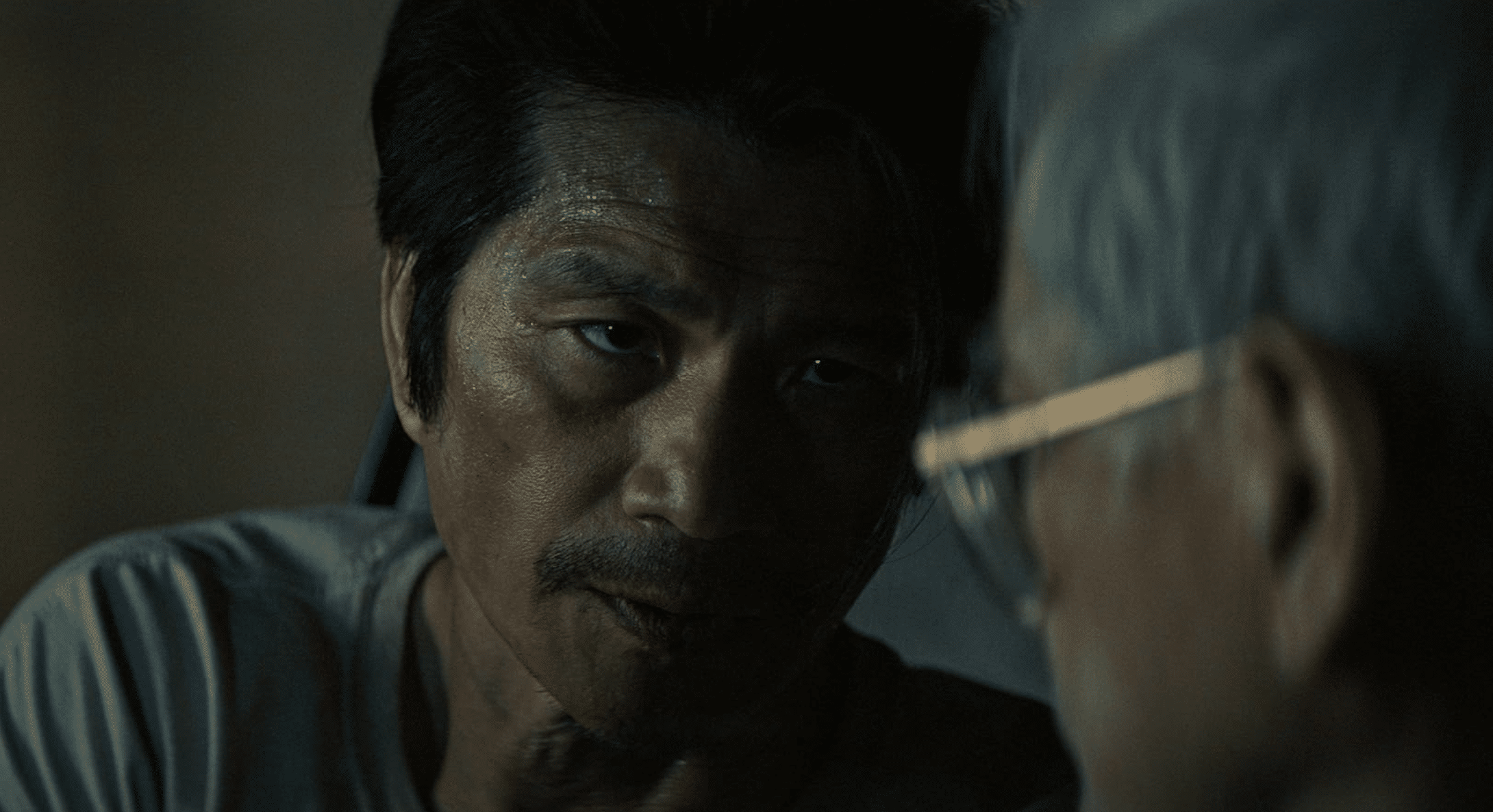
Lieutenant Hiroo Onoda — the last Japanese soldier to formally surrender, nearly three decades after World War II ended — remains a deeply controversial figure across East and Southeast Asia due to Japan’s wartime atrocities. Brighton’s post struck a nerve in China, where memories of that history remain etched into public consciousness.
One Weibo user wrote, “Fascist club, you must sincerely apologize and explain to the Asian people.” Another demanded disciplinary action against the player, saying, “Militarist Kaoru Mitoma must be expelled.” Some commenters escalated the rhetoric further, calling Mitoma a “militarist” and a “Nazi clown.”
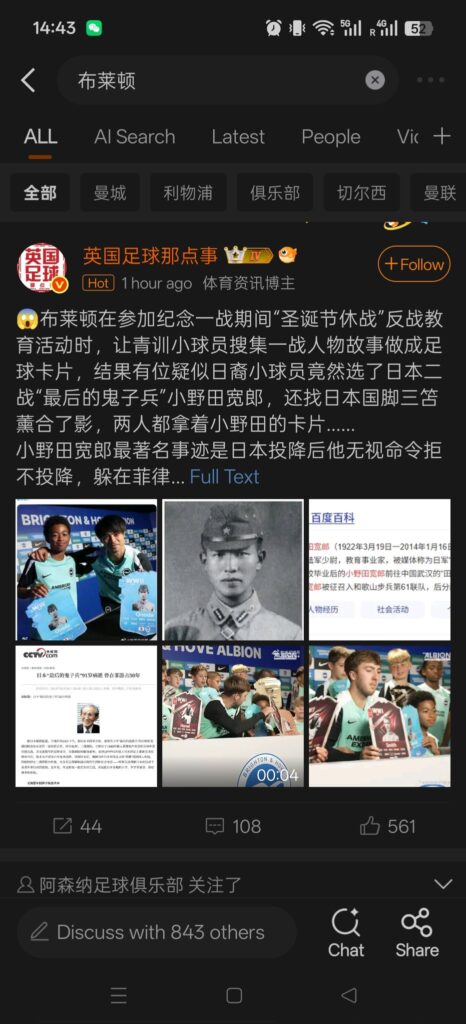
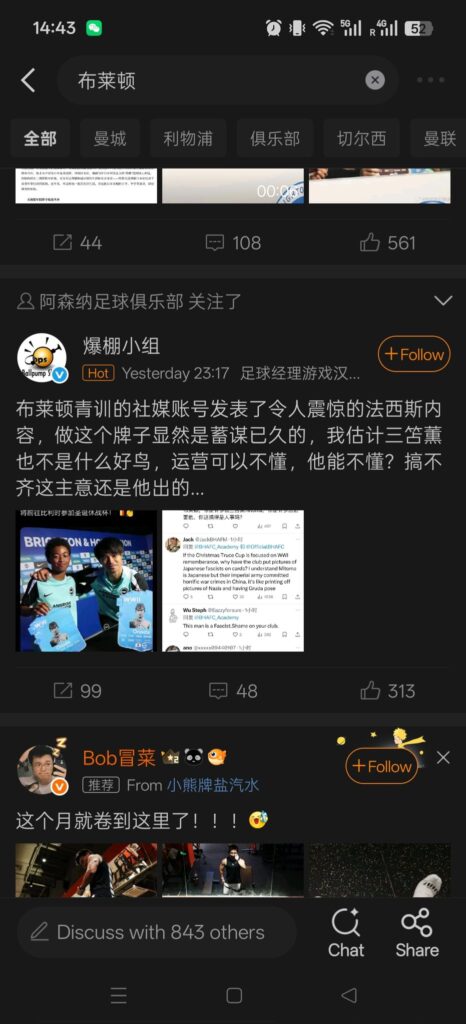
The image had been posted to celebrate Brighton’s Under-12 boys team, who recently won the Premier League Education Project and will travel to Belgium for the Christmas Truce Cup. Alongside the photo, the caption noted the team’s achievement and upcoming participation in the tournament — an event the Premier League says “offers academy U12 players a chance to test their footballing talent against top European Clubs while gaining an understanding of the historical events that shaped our world”.
But the historical context surrounding Onoda overshadowed the club’s intended message. Stationed on Lubang Island in the Philippines in 1944, Onoda continued guerrilla activities for 29 years, believing the war had not ended. During that period, he killed 30 civilians — actions for which he was later pardoned by the Philippine government, before receiving a hero’s welcome upon returning to Japan.
You apologized for offending fans in China. Just that? This man you commemorated was also involved in killing Filipino civilians during and after WWII for 30 years. What a club. Brighton. #BHAFC https://t.co/7DdAuIvizr pic.twitter.com/RJeOwEpYsr
— Yichen Peter Zheng (@HolmesdaleChina) November 29, 2025
As criticism mounted, Brighton removed the post and issued a formal apology. In a statement on X, the club’s academy wrote: “The club sincerely apologises for any offence caused in China by a recent post about our academy’s participation in the Premier League Christmas Truce Tournament.” It continued, “We hugely value our fans in China and had no intention of causing any offence.”
Brighton officials told BBC Sport the incident stemmed from a genuine oversight, and that neither the club nor the Premier League was aware of the imagery’s wider implications. It is also understood the league — which co-judged the Education Project winners — did not know the identities of the individuals featured on the cards.
Regional Repercussions
The controversy has since escalated beyond China. South Korea’s Chosun Ilbo criticised Brighton for posting the image, arguing the club should apologise to Korean fans as well, citing Japan’s colonial rule over the Korean Peninsula. Filipino social media users have also joined the conversation, with one asking, “Shouldn’t Brighton apologize to us first?”
Read more: Frank Soo: England’s First Asian Heritage Footballer Finally Honoured at Wembley
The Christmas Truce Tournament — named after the 1914 wartime ceasefires where British and German soldiers famously played football on the frontlines — aims to teach young players about history through sport. But Brighton’s attempt to connect football, education, and remembrance has instead become a case study in how global sensitivities can collide online.
Brighton now faces the delicate task of repairing its relationship with fans across Asia — a demographic the club stresses it “hugely values” — as the fallout continues across the region.