Bing Liu’s journey to directing his first fiction feature, Preparation for the Next Life, feels like something pulled from his own earlier films. It’s a story defined by a genuine impulse to create and a patient, unconventional rise through the ranks.
Liu, an Academy Award-nominated filmmaker best known for the documentary Minding the Gap, started filmmaking not in a classroom, but in a friend’s basement. “I was 15,” Liu told Resonate. “He showed me this film called Waking Life . At the time, I was making skate videos … When i saw Waking Life, i realised, oh, like this. First of all, that film really spoke to me. But it was a guy lost in a lucid dream talking to interesting people. And it gave me the idea to try to make a version of that .”
That early urge to film evolved into a decade working within the film industry’s technical side. He initially trained to be a high school English teacher , but ended up pursuing work as a cameraman . “I worked my way up the camera department in my 20s. And then while I was on that camera assistant path, i kept making things in the same way that i did when i was 15 .”
Liu never planned to be a director, expecting he might eventually become a Director of Photography (DP) . That all changed after his documentary success. “Then i made Minding the Gap and i went to Sundance and i got all these opportunities to direct. And so i started saying yes to anything that interested me . It was a little bit like, not even a dream come true, but a, oh, people want me to do this? Sure, let me try it out.
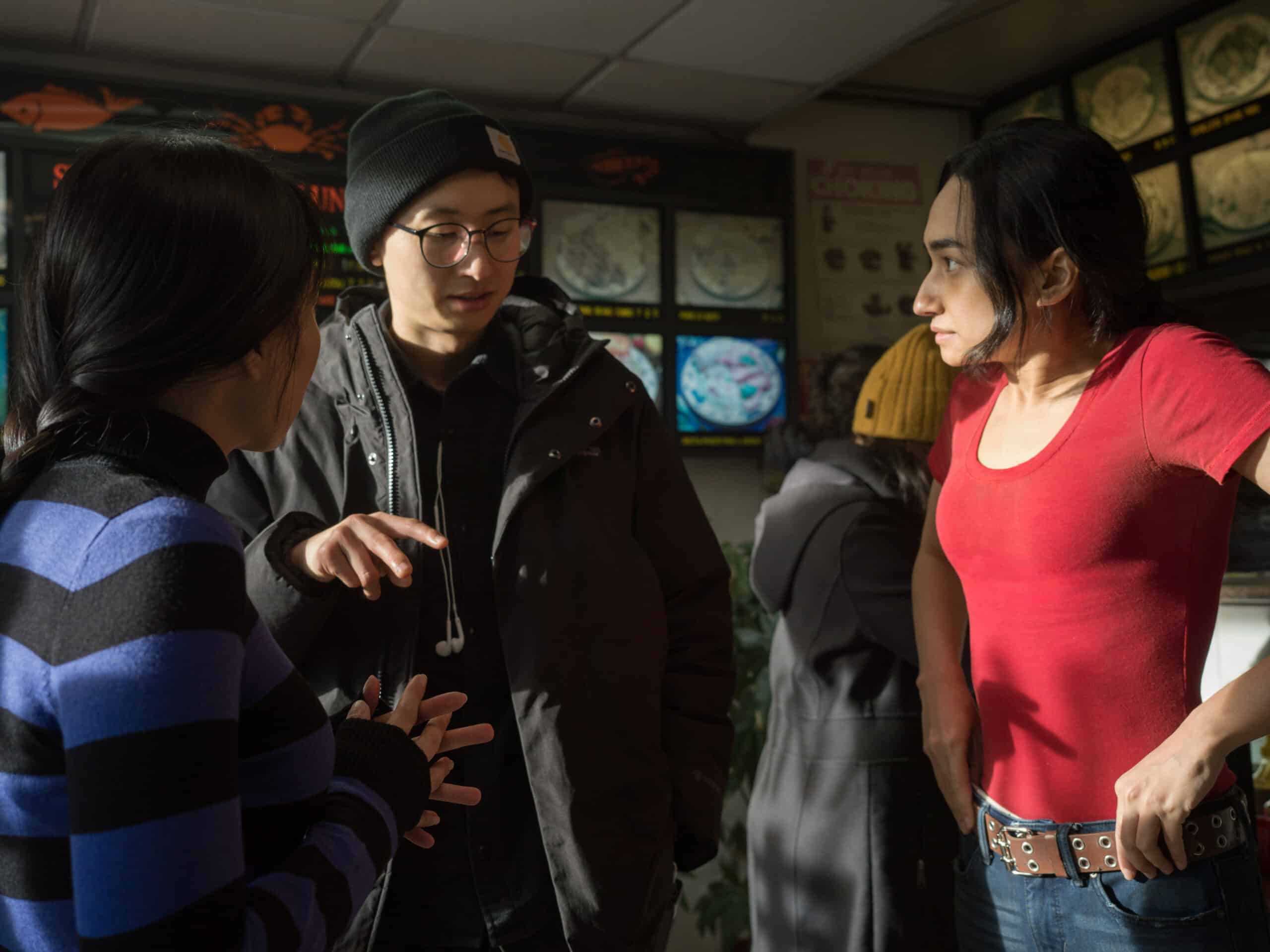
Photo Credit: Jaclyn Martinez
© 2025 Amazon Content Services LLC. All Rights Reserved.
Moving to the Script: Blending Truth with Fiction
Transitioning from documentary, where he observed real life, to directing actors in a fictional piece, based on a novel by Atticus Lish, could have been daunting. Liu had a unique advantage, though: he already understood the logistics of a large-scale set. “I’d been a union camera assistant, so i worked on multi-million pound budget movies. And i saw a lot of directors work with actors in different ways. And so the production side was so familiar to me .”
The big challenge, he found, was how to talk to actors and build performances. Liu sought to overcome this by actively studying the process. “I just took acting classes. I took several acting classes. I read books. I reflected on my time as a camera assistant when i watched directors work in various ways .” He wanted to see things from the actor’s perspective, even sitting in on casting sessions .
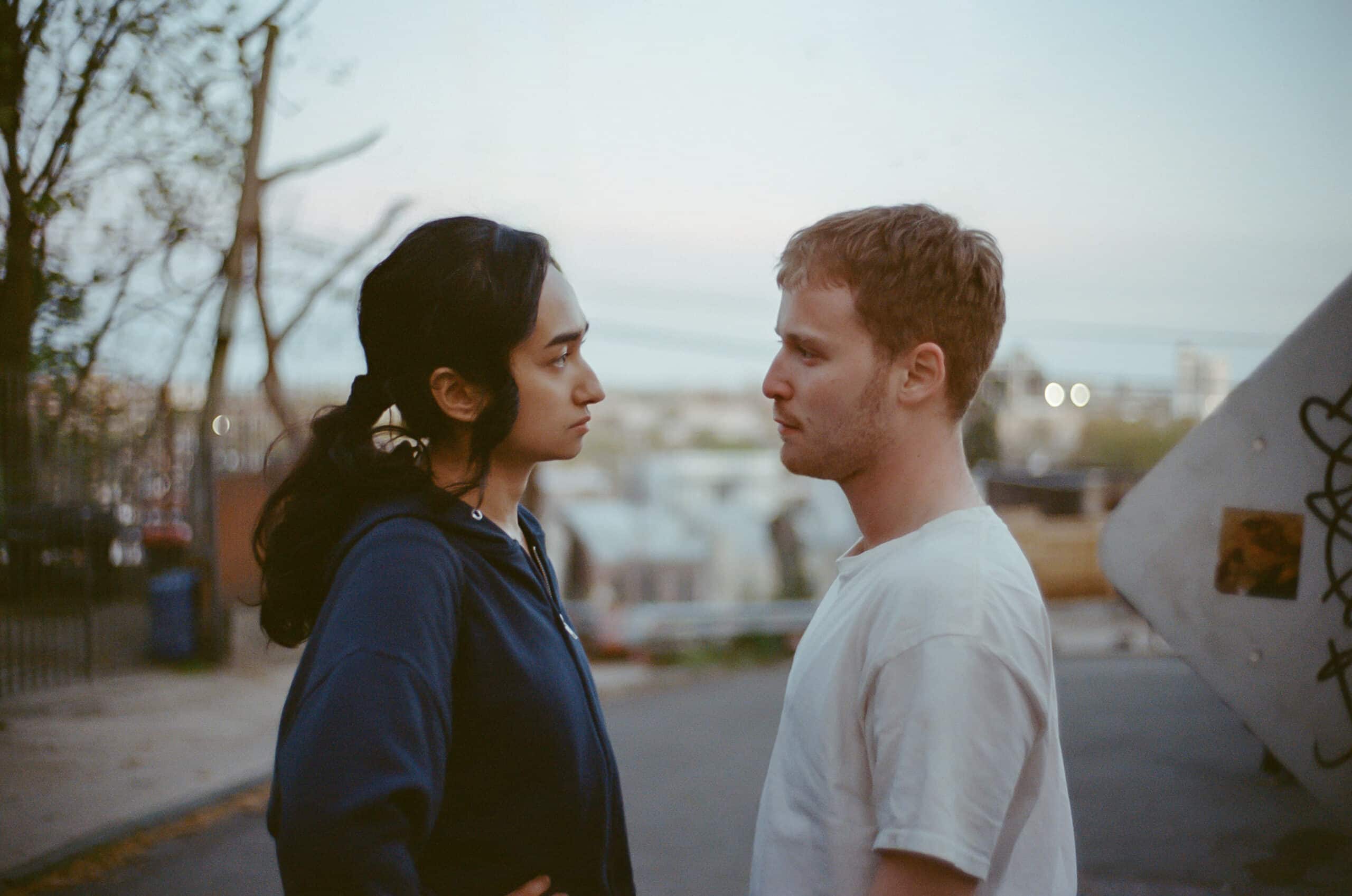
Photo Credit: Jaclyn Martinez
© 2025 Amazon Content Services LLC. All Rights Reserved.
Once filming began, Liu used techniques adapted from his documentary and teaching backgrounds to make the process authentic for his leads, Sebiye Behtiyar and Fred Hechinger. He insisted on an extensive rehearsal process, trying to replicate what happens in a stage play with “games, exercises, exploring off book, just trying wacky things and trying to discover and always push the boundaries .”
His approach came from a place of seeking truth. “I felt like i was constantly trying to, like, get Fred and Sebiye to produce their like what was within them, the things that might surprise all of us .” He found that just as his skateboarding subjects were more open after being physically active, acting benefitted from movement. “I noticed like they were able to use their bodies a little bit more in expressing scenes and getting scenes up on their feet .
Presenting the Uyghur Experience
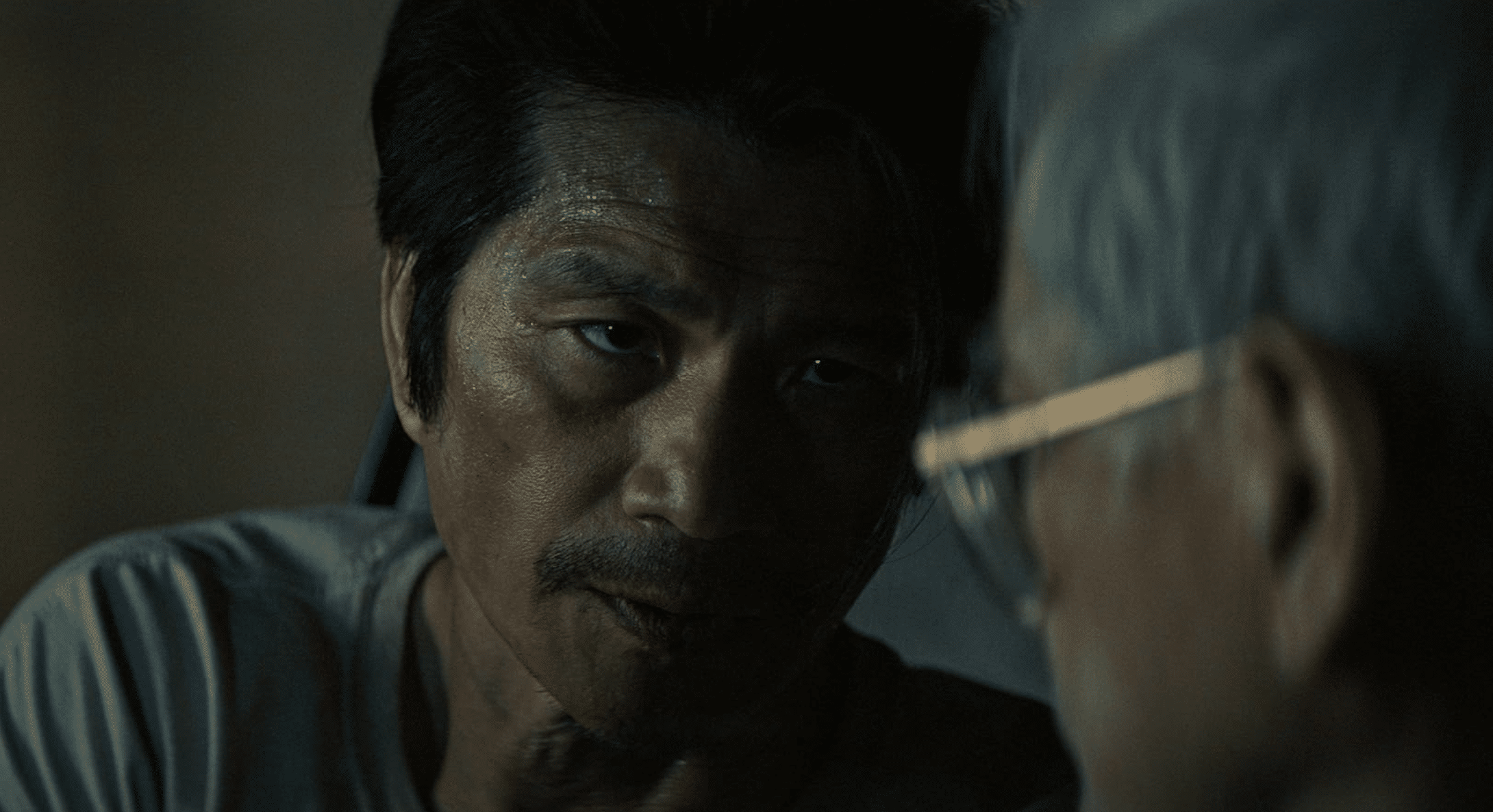
Preparation for the Next Life tells the story of Aishe, an undocumented Uyghur immigrant , and Skinner, a traumatised American soldier. The specific focus on the Uyghur experience, a community heavily underrepresented in global cinema, adds a weight to the film that Liu was acutely aware of.
Liu explained that he initially had a “documentary like instinct” to include explicit historical and political context . However, his research into the diaspora and conversations with people involved in the film changed his mind. He realised he could not speak for everyone. “The Uyghur diaspora, like the Chinese diaspora, it’s not a model if everybody has a different opinion or take or experience .”
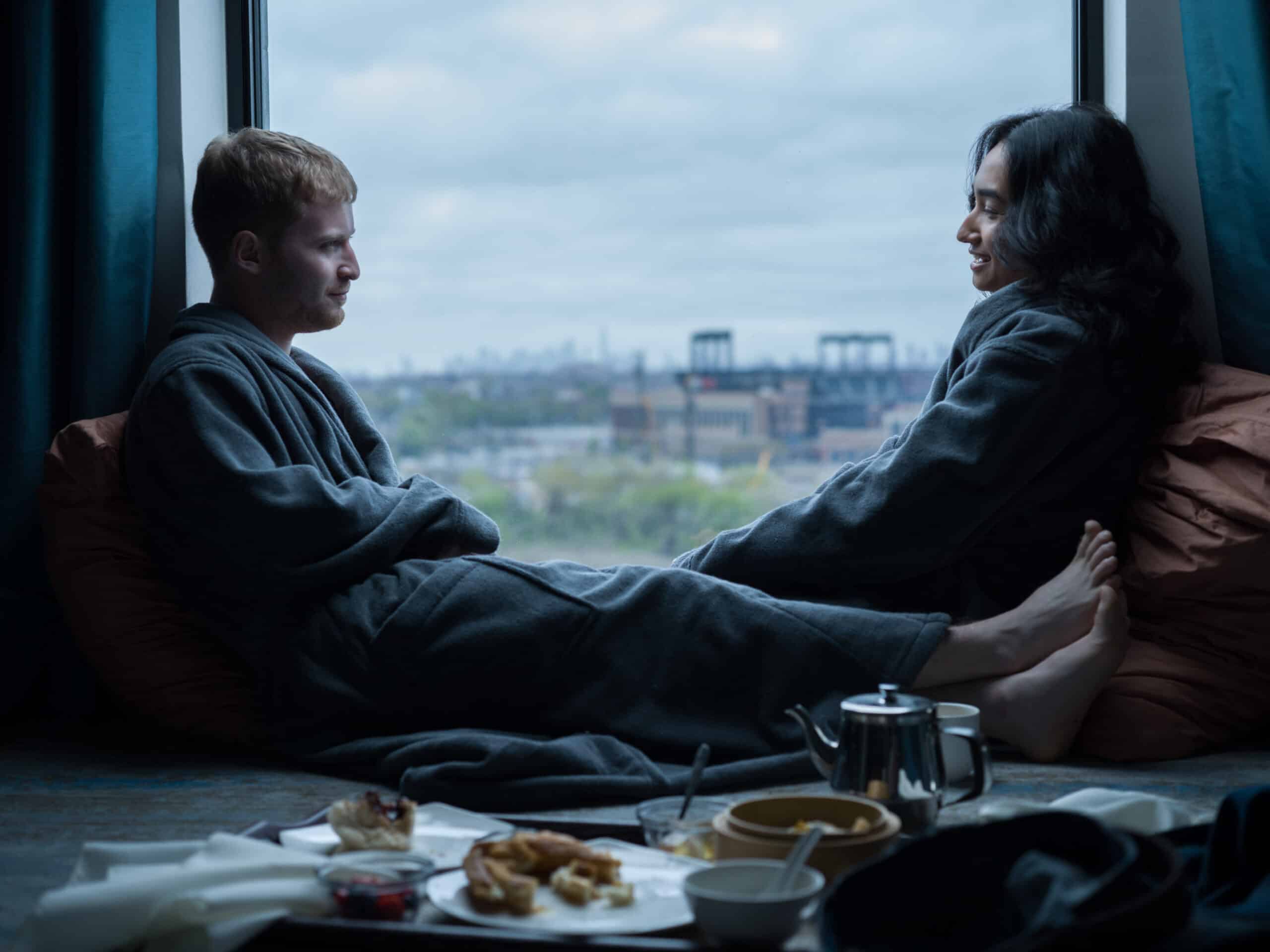
Photo Credit: Jaclyn Martinez
© 2025 Amazon Content Services LLC. All Rights Reserved.
Instead of trying to speak for an entire community, Liu focused on specificity. “We’re just going to be very hyper-specific about this one person. If we’re hyper-specific about her story, i think it’s, we’ll have a universal truth .”
Finding an actress for Aishe was difficult, as the role demanded someone who could speak Uyghur, Mandarin Chinese, and English. Liu was relieved when casting director Jen Venditti found Sebiye Behtiyar quickly .
The film went through a careful process to ensure authenticity. Liu even brought in a documentary practice, showing the film to the Uyghur actors before it was locked. “I typically show the people in my film, a cut of the film before we picture Locke, to give them a chance to weigh in .” He found that was essential because the actors had “a lot of skin in the game for many reasons… they’re going to have to answer to the community, with their participation and the ways in which they represent these characters as well .”
The response so far has been touching. “It’s amazing hearing my language… I can’t believe it’s, I can’t believe this exists .”
A Quest for Connection and ‘The Next Life’
The film’s central question, for Liu, is what it means to escape stagnation. The title itself suggests a chance at reinvention. “I think it should raise the question, like, how many lives am i going to get in this life ?” he asked. “Am i going to be in this little phase or track for the rest of my life? Or, is there an opportunity to ascend into something else ?”
The film focuses on two isolated people finding brief hope. Liu believes that even when relationships fail, they offer value. “Even if it doesn’t go well, i do think that we take a little, there’s an opportunity to take a little bit of lesson and to have a little bit of the growth in every single relationship we’re in .” Ultimately, the film is about inspiring others. “I hope this film can really inspire people to just see that it takes a lot of work and it could require a lot of sacrifice, actually, but it’s possible. It’s possible to get unstuck .”
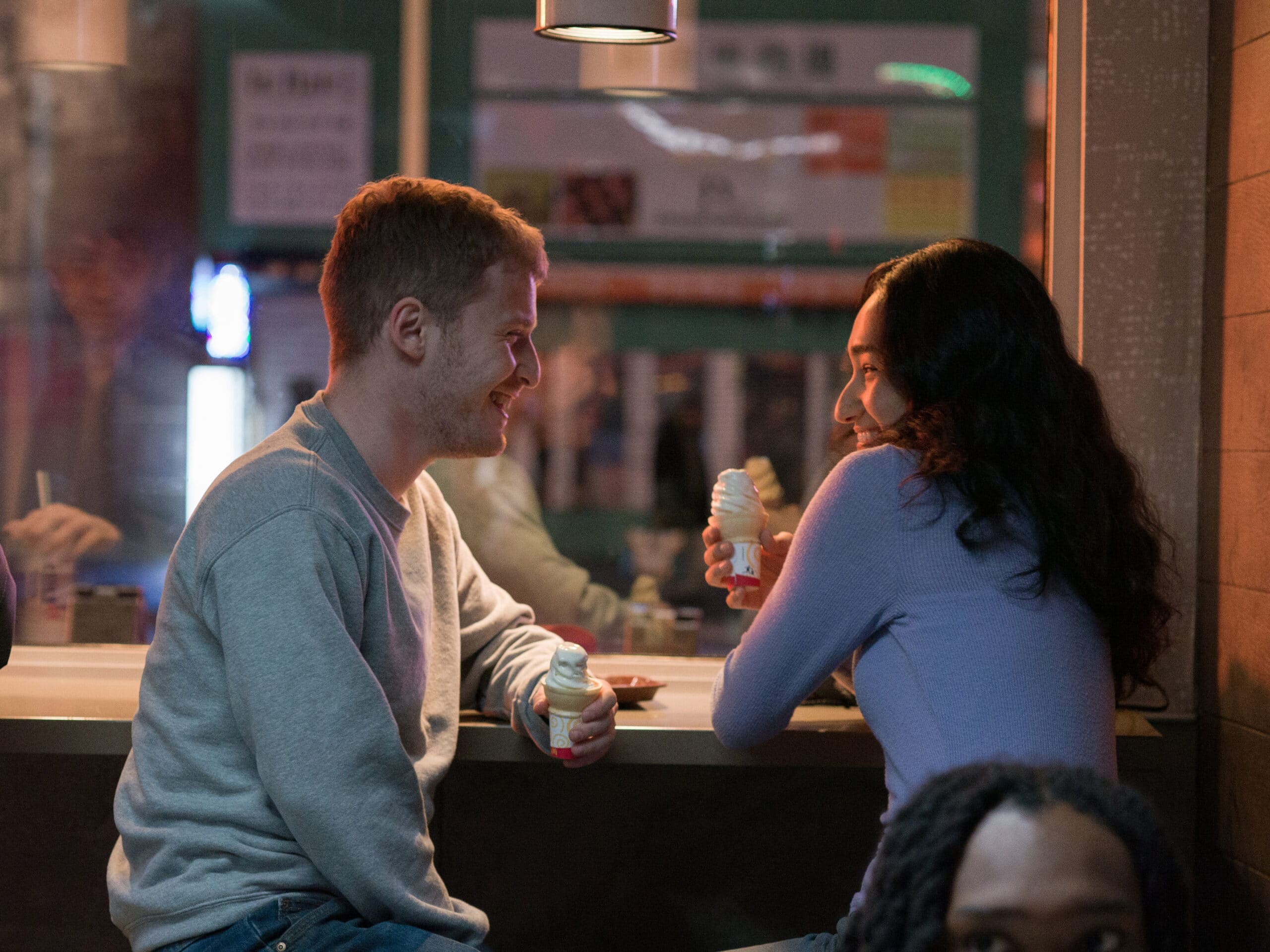
Photo Credit: Jaclyn Martinez
© 2025 Amazon Content Services LLC. All Rights Reserved.
Liu’s own background, moving from China to the American Midwest, has given him a lifelong sense of being an outsider. He lived in Alabama and Illinois, often in neighbourhoods that were primarily Black, while his mother worked in Chinese restaurants . This unique background made him feel conflicted. “I struggle with like this, there’s like 2 worlds within me. There’s like the one that’s like, oppositionally like defined where i’m like, well, i’m always an outsider, you know… but then there’s other part of me that was like, I want to be a part of Asian, i want to like be, I want to like, you know, offer up my experience as also part of the Asian American like pantheon of narratives .”
In an industry where East Asian stories are often limited to tropes like “takeaway owners or martial artists” , Liu is focused on complexity. His work seeks to expand that presence by telling human stories that explore community and the simple, human need to find meaning. His ultimate goal is clear. “I do think all my projects, i think about the impact they could potentially have in the world. I just, I do want to make the world a better place .”
Preparation for the Next Life is releasing in the UK IN CINEMAS ON 12 DECEMBER.
You can attend one of the special pre-release Milk Tea screenings:
-
London: 8 December at Picturehouse Central. This screening will include a special pre-screening Dutar performance by London-based Uyghur musician, Shohret Nur. Shohret is an award-winning performer who specialises in the Twelve Muqam and traditional Uyghur instruments like the rawap and dutar. His compositions have been featured in the British Library’s project “A Silk Road Oasis: Life in Ancient Dunhuang.”
-
Edinburgh: 6 December at The Cameo
-
Manchester: 11 December at Treehouse Hotel
-
Birmingham: 11 December at Mockingbird Cinema
Following the screenings, there will be social drinks events in all four cities to discuss the film and connect with fellow film lovers. Tickets are only £5 (excluding booking fee). If the price is a barrier, please email hello@milkteafilms.com for a free ticket.