
In January 2012 I sat in a popular south-western Chinese restaurant on Beijing’s Beilou Guxiang with two other foreign women. One was a friend and the other was a white woman in her early fifties. She was an acquaintance of my friends from home, on a tour of China.
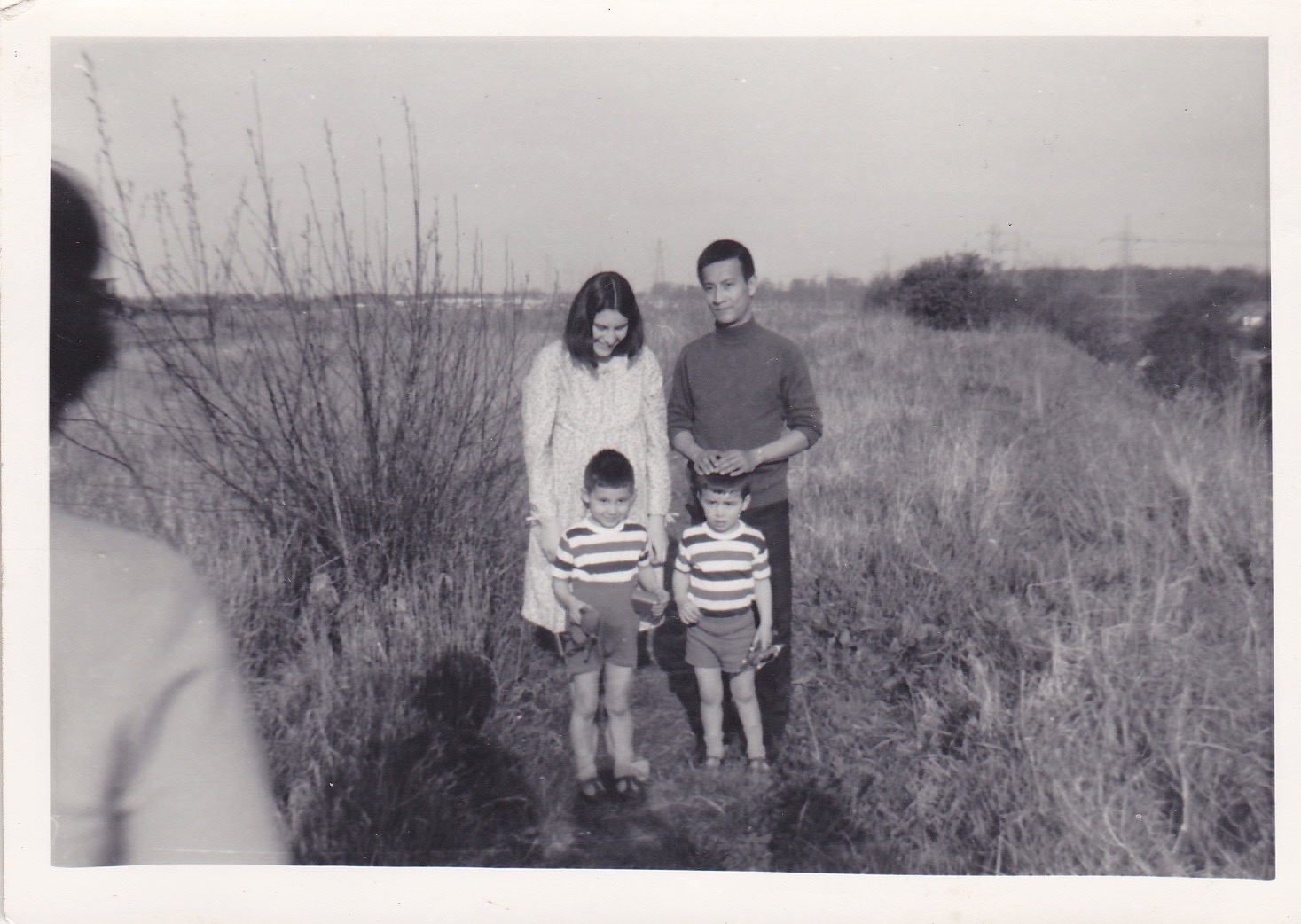
Across the room from us sat another white woman with her baby, who appeared to be half Chinese. Our companion was having trouble comprehending the situation and so we explained that no doubt the child’s father was Chinese, to which she responded “but do you think that is possible?”. I braced myself – what was it about having a Chinese father and a white mother she was going to offer up as an impossibility? She elaborated: ‘well do you find them attractive?’ she said with marked incredulity. It was clear that by ‘them’ she meant Chinese men. We protested politely – after all she was paying for our dinner – but below the surface my mind was racing. My grandfather is Chinese and my grandmother British, my father half and my mother white.
If white women were never attracted to Chinese men, then I would not exist. My very existence was inconceivable to the woman sitting across from me.
The story of my grandfather’s migration from Hong Kong to London came up later in the conversation and I wondered if, in the taxi ride back to her hotel, she had put two and two together and re-assessed the impact of her remarks. I never did find out.
I was reminded of the conversation when several commentaries on inter-racial relationships went viral on the Chinese internet earlier this year. What first caught my attention was Stephanie Naday’s piece in the Global Times decrying the dire dating prospects for western women in Shanghai. I was, initially, pleased to see the piece. I think there is a point to be made about the preference some western men have for Chinese women and I was curious to see how Naday dealt with the topic.
However, the piece turned out to be riddled with contradictions and casual racism. Naday, while attempting to make the case for white women’s difficulty dating both foreign and Chinese men, characterised the latter as “effeminate” and “small sized”. She also branded Chinese women as “inhibited” and “submissive”. Sadly, her perspective is not uncommon – I often heard similar sentiments from other western women living in China who believed me to be a sympathetic confidant.
I grew up a witness to the effects of this particular brand of highly sexualised racism on members of my family in the UK. I am far from sympathetic, I find it heart breaking.
Further controversy followed the online resurgence of China based South African Winston Sterzel’s